Here is a mistake many first-time builders make: they budget for triple-pane windows, extra exterior insulation and a cold-climate heat pump, expecting a federal grant to pay part of the bill. Then they find out that the best-known programs, like the Canada Greener Homes Grant, were for existing homes and never covered new construction. Incentives for new builds do exist, but they are smaller. They depend on your financing and your province, and almost all of them need an energy evaluation booked before the drywall goes up.
This checklist covers what actually applies to a newly built home in Canada and how much of your efficiency upgrades you can realistically recover.
Stage 1: Before you pick a plan, check which programs you qualify for
- Mortgage insurance: the CMHC Eco Plus refund and the similar programs from Sagen and Canada Guaranty only apply if your mortgage is insured. That usually means a down payment under 20%. If you are putting 20% or more down on a conventional construction loan, there is no premium and so nothing to refund.
- Refund size: CMHC Eco Plus has offered a partial refund of up to 25% of the premium. Sagen and Canada Guaranty run comparable energy-efficiency refunds. Confirm the current percentage and conditions with your lender before you count on it.
- Construction financing: ask your lender whether an insured progress-draw mortgage is available for your project. Many owner-builders finance with an uninsured construction loan and only switch to an insured mortgage later, and that affects eligibility.
- Provincial and utility programs: check what is open in your province. Examples include FortisBC and BC Hydro offers tied to the BC Energy Step Code, Novoclimat in Quebec, Efficiency Nova Scotia's new home program and Efficiency Manitoba's new homes offer. In Ontario, look at what Enbridge and your local utility offer for new homes. Funding and rules change often.
- Heat pump rebates: many heat pump rebates are written for replacing an existing furnace or oil system. Read the fine print to see whether new construction qualifies.
Advice: work out the premium first, because it sets the size of the main refund. CMHC premiums have been 2.80% of the loan for a 15–19.99% down payment, 3.10% for 10–14.99% and 4.00% for 5–9.99%. On a $600,000 insured loan with 10% down, the premium is about $18,600, and a 25% refund would return roughly $4,650. That is a useful sum, but it is not a grant that pays for a geothermal system.
Stage 2: At the design stage, get a plan evaluation
- Energy advisor: hire an energy advisor registered with a service organization licensed by Natural Resources Canada. Only their EnerGuide reports are accepted by the insurers and most utilities.
- Plan evaluation: the advisor models your drawings in HOT2000 and gives an estimated EnerGuide rating in gigajoules per year. A lower number is better. The model also compares your house with a code reference house.
- Target: ask what result each program requires. Some accept a recognized label (R-2000, Net Zero, Built Green, Novoclimat). Others need a modelled improvement over the reference house or a specific Step Code level. Thresholds vary by program and year, so get them in writing.
- Cost: in 2025, a full new-home EnerGuide service (plan evaluation, mid-construction test and final test) typically cost about $1,200 to $2,500, depending on the region and the size of the house. Some utility programs reimburse part of it.
- Shape of the house: a compact footprint with few jogs is cheaper to bring up to a high rating than a sprawling plan with many corners and bump-outs.
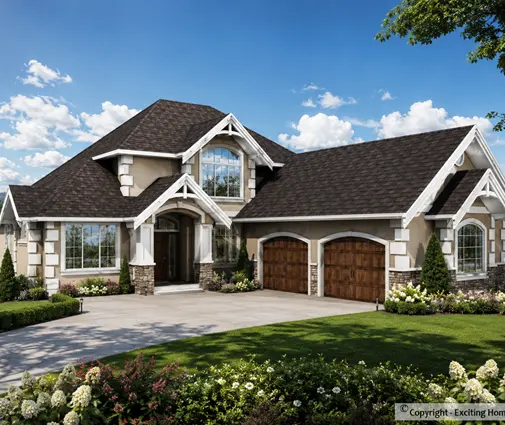
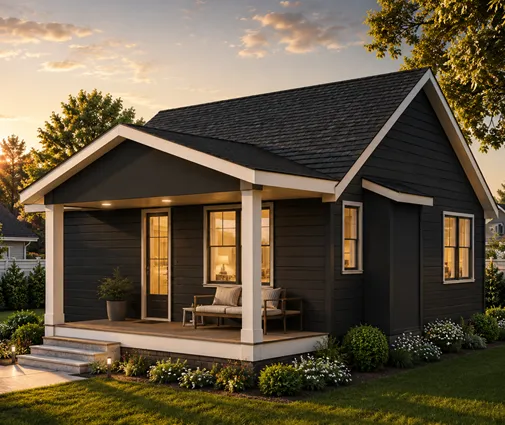
Advice: let the model decide the upgrades, not the sales brochure. Advisors often find that airtightness and basement insulation buy more rating points per dollar than premium windows. Simple footprints help. The 1,515 sq ft four-bedroom bungalow with a full basement and the 2,240 sq ft two-storey Craftsman with a basement both have the kind of straightforward envelope that models well. A two-storey box has less roof and foundation per square foot than a one-storey home of the same area.

Stage 3: During construction, book the tests at the right moments
- Mid-construction blower door test: schedule it once the air barrier, windows and doors are in, but before insulation is covered and drywall is installed. This is the only cheap moment to find and seal leaks.
- Substitutions: tell your advisor before you change windows, the heating system or insulation values. A "comparable" substitute can lower the rating.
- Documentation: keep spec sheets, invoices and photos of insulation, window labels and the HRV or ERV model. The advisor and the programs may ask for them.
- Mechanical design: make sure the heat pump and HRV are sized from a proper heat loss calculation. Many programs require a balanced, commissioned ventilation system.
- Basement: in a full-basement home, under-slab and foundation wall insulation strongly affect the result. Settle the details before the pour.
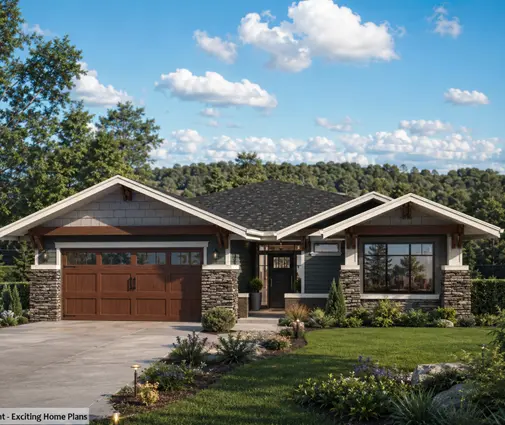
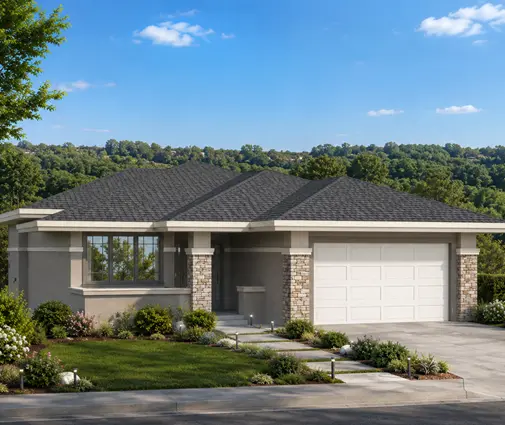
Advice: put the test dates in your builder's schedule as fixed milestones, the same way you treat municipal inspections. Missing the mid-construction test does not disqualify you everywhere, but it turns a $50 tube of sealant into a failed final result. One-storey plans with basements, like the five-bedroom 1,700 sq ft Prairie-style bungalow or the three-bedroom 1,745 sq ft Northwest ranch, put a large share of their envelope in the foundation, which makes those slab and wall details especially important.
Stage 4: After the final test, file the claims
- Final evaluation: the advisor does the final blower door test and issues the EnerGuide label and report. Keep a digital copy.
- Refund application: submit the energy report to your mortgage insurer through your lender or directly, depending on the program. There is a deadline counted from the date your mortgage funded, so check the current window.
- Utility rebates: many have their own forms and deadlines, and some require pre-registration before construction starts.
- Deductions: refunds are usually paid to the borrower or applied by the lender. Ask how yours will be handled.
Advice: here is a realistic total for a typical new build in 2025. A premium refund of $3,000 to $6,000, plus provincial or utility incentives that ranged from nothing to several thousand dollars depending on the program, adds up to maybe $3,000 to $12,000. Efficiency upgrades beyond code on a 1,500 to 2,500 sq ft home often cost $10,000 to $30,000. So expect to recover roughly 15% to 50% of the extra cost through incentives. The rest comes back as lower energy bills over the years. Smaller homes, like those in our 1,500–2,000 sq ft collection, usually reach a high rating for less money, so the incentives cover a bigger share.
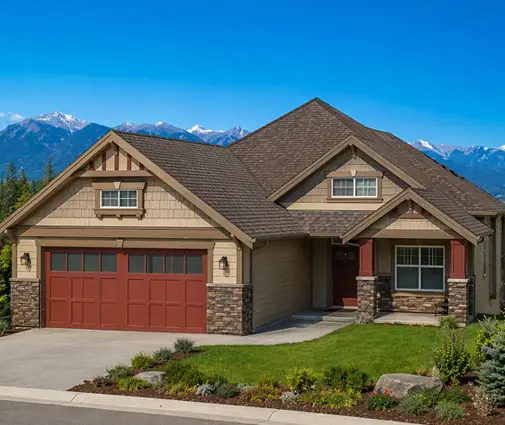


Compact single-level designs are worth a look if efficiency is a priority. Examples include the five-bedroom 1,677 sq ft lake and mountain-style bungalow with a basement and other house plans with a basement built for Canadian frost depths.
The most common mistakes
- Counting on renovation grants, such as the Greener Homes Grant, for a new house.
- Expecting a CMHC Eco Plus refund on a mortgage that was never insured.
- Hiring the energy advisor after the house is finished, with no plan evaluation or mid-construction test.
- Swapping windows or mechanical equipment without rechecking the model.
- Missing a utility's pre-registration step or the insurer's claim deadline.
- Assuming program rules from a friend's build two years ago still apply. Confirm current requirements with your lender, utility and municipality before you start.