Add $3,000 to $8,000. That is roughly what upgrading a typical new Canadian house from double-pane to triple-pane windows adds to the quote in 2025–2026. Window salespeople, energy advisors and the neighbour who just finished building all have strong opinions about whether it is worth it. Most of those opinions mix a few facts with a lot of folklore. Here are the most common myths, with numbers you can actually use when you sit down with your builder and your plans.
Myth 1: Triple-pane is always the right choice in Canada
Fact: It depends heavily on where you build and how you heat. In Vancouver or Victoria, with about 2,800–3,000 heating degree days, a mild winter and fairly cheap electricity, triple glazing makes a small difference to the heating bill. In Ottawa (around 4,500 degree days), Winnipeg (around 5,700), Edmonton or northern Quebec, the gap between the two options grows a lot. Triple-pane is a strong default on the Prairies and in the North. On the West Coast it is a comfort and noise upgrade more than an energy investment. Your provincial code may also push the decision for you. If you build under the BC Energy Step Code at the upper steps, or aim for a high tier under the 2020 National Building Code, your energy advisor may find that triple glazing is the cheapest way to hit the target.
Myth 2: A double-pane window is a double-pane window
Fact: The spread between products is huge. Check two numbers on the label. The first is the U-factor, the rate of heat loss, where lower is better. The second is the Energy Rating (ER), a Canadian index that balances heat loss, solar gain and air leakage, where higher is better. As a rough guide for 2025:
| Window type | Typical U-factor (W/m²·K) | Typical ER |
|---|---|---|
| Basic double-pane, clear glass | 2.5–2.8 | under 20 |
| Double-pane, low-e, argon, warm-edge spacer | 1.4–1.6 | 25–34 |
| Triple-pane, two low-e coatings, argon | 0.8–1.1 | 34–45 |
ENERGY STAR in Canada currently asks for a U-factor of about 1.22 or lower, or an ER of about 34 or higher. Products with the ENERGY STAR Most Efficient designation usually sit near 1.05 or below. In practice that almost always means triple glazing. Thresholds change, so check the current criteria on the Natural Resources Canada website before you order.
Myth 3: The energy savings pay for triple glazing in a few years
Fact: Rarely. In 2025–2026 the premium is roughly $100–$300 per average-size window, or about 10–25% over a comparable double-pane unit. Large fixed panes and big sliding doors cost more. With 20–25 windows, that adds up to the $3,000–$8,000 mentioned above. Annual heating savings are typically in the low hundreds of dollars. They might be under $100 in coastal BC and around $200–$400 in a cold Prairie or northern Ontario house, depending on the fuel and the window area. That puts payback on energy alone somewhere between 15 and 40 years. These are rough estimates, so ask your energy advisor to model your actual house. The case for triple-pane rests on more than the gas bill, which is the next myth.
Myth 4: Window choice only shows up on the heating bill
Fact: Comfort is often the bigger payoff. At −20 °C outside, the inner glass of a good double-pane window may sit somewhere around 8–11 °C. A triple-pane unit stays closer to 14–16 °C. A warmer inside pane has three effects:
- Less condensation and frost on the glass and sills in January, even with a humidifier running or a busy kitchen.
- No cold "radiant draft" when you sit next to a big window, so the sofa can actually go by the glass.
- Less need to oversize heating or run a register under every window. This matters in a tight house with a heat pump and an HRV.
Triple glazing also cuts road and aircraft noise noticeably, which counts on a busy suburban lot.
Myth 5: The glass matters, the frame doesn't
Fact: Frame and spacer can account for a large share of a window's heat loss, and triple glazing is heavy. Here is how the common frame options compare:
- Vinyl is the most common and affordable choice in Canada and performs well. Large triple-pane sashes may need reinforced frames, though, and dark vinyl colours can be limited.
- Fibreglass expands at a rate close to glass. It stays stiff under the weight of three panes and holds up well across big temperature swings. It costs more than vinyl but is popular for cold-climate triple glazing.
- Aluminum-clad wood pairs a warm wood interior with a low-maintenance exterior. It is the premium option, common on cottages and custom homes.
- Thermally broken aluminum allows slim modern profiles. Even with a thermal break it loses more heat than the others, so look closely at the whole-window U-factor rather than the glass value.
Always compare whole-window ratings, not the "centre-of-glass" number in the brochure.
Myth 6: Triple-pane is pointless on the south side because you want the sun
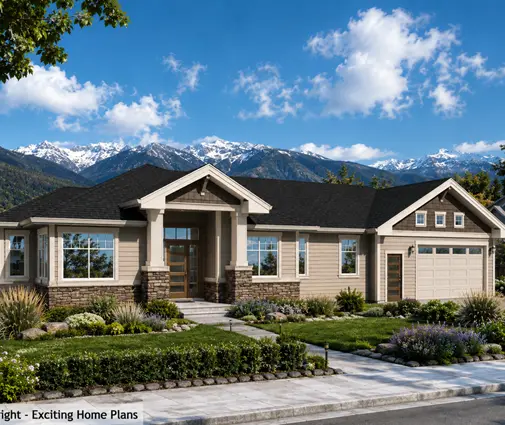
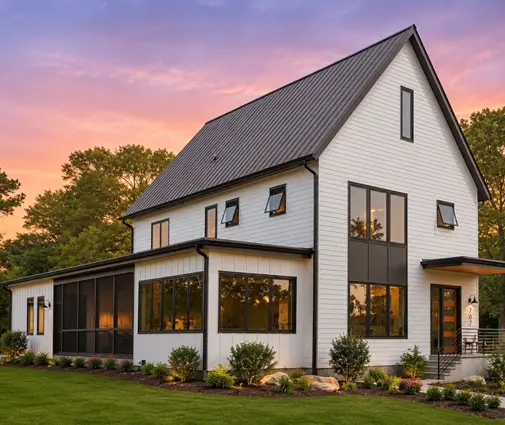
Fact: You can have both. Low-e coatings come in high-solar-gain and low-solar-gain versions. A smart order specifies high-gain triple glazing on the south to capture winter sun. On the west, a lower-gain unit limits summer overheating. Orientation therefore matters more than the number of panes. A long one-storey plan like this 4,167 sq ft modern mountain ranch with three bedrooms works beautifully when its main living spaces face south. The same house turned with its glass to the west can overheat in July. Likewise, the tall windows of this three-storey Scandinavian-style modern farmhouse become an asset or a liability depending on which way the lot faces.

Myth 7: If you choose triple-pane, you can glaze as much as you like
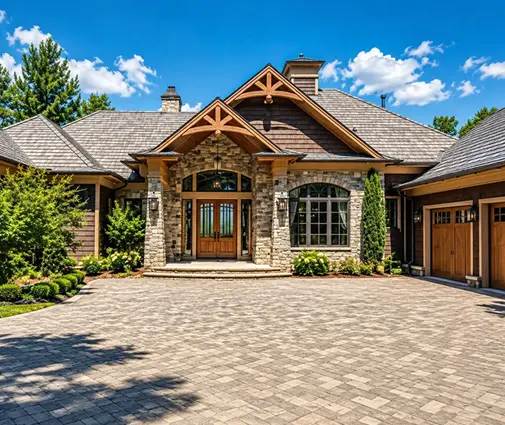
Fact: Even the best triple-pane window loses several times more heat than an insulated wall. In 2×6 construction, a wall can reach an effective R-20 or more, while a triple-pane window comes in around R-5 to R-7. Window-to-wall ratio is one of the biggest drivers of energy use in a Canadian house. The more glass a plan has, the stronger the case for triple glazing becomes. A rustic design like this 4,571 sq ft one-storey mountain home with four bedrooms and a basement is the kind of house where upgrading every window pays off in comfort. If you are browsing plans with large windows, budget for better glazing from day one. Another option is to ask the designer to rebalance the glass toward the south.
Myth 8: You can always upgrade the windows later
Fact: Technically yes, but it is expensive and messy. Replacing windows later means paying again for the units, plus the trim, flashing and labour. If the walls were detailed for thinner double-pane frames, some interior finishes may need redoing too. During construction, the incremental cost is only the price difference. Your heating system may also be sized slightly smaller because of the better glazing. If you are on the fence, a middle path works well. Put triple-pane on the large living-area windows and patio doors, plus anything facing north or into prevailing winter winds. Use good double-pane low-e units in small bathroom or basement windows.
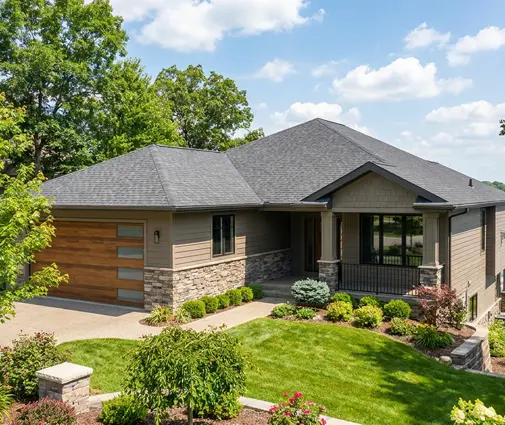
For a modest bungalow, the window count is low enough that triple glazing throughout is often a few thousand dollars at most. Examples include this 1,522 sq ft three-bedroom craftsman bungalow with a basement and this 1,758 sq ft Northwest-style one-storey home with five bedrooms. That makes it an easy choice in a cold region. More options like these are in our collection of plans with a basement.


The bottom line
East of the Rockies and anywhere with a hard winter, triple-pane windows are usually worth it for a new house. The reasons are warmer glass, fewer condensation problems, quieter rooms and easier code compliance, more than a fast payback. On the coast, a high-quality double-pane unit with low-e and argon is often a reasonable choice, and the money may do more in air sealing or insulation. Whatever you choose, compare whole-window U-factors and ERs, pick the frame for the size of the sashes, and look hard at how much glass your plan puts on each side of the house. Confirm the current requirements with your municipality, your energy advisor or your designer before you sign the window order.