The lot is on the water, the price is a fraction of what freehold shoreline costs, and the listing says "lease lot" in small print. Many buyers sign, order a set of plans and only then learn that the house they want needs the landlord's written consent before the building department will even look at it. In some cases the lease also caps the floor area, rules out a basement or limits the lot to a holding tank. Building on leased land in Canada is very doable, but the order of approvals is different, and the lease, not the zoning bylaw, often decides how big your cottage can be.
What "leased land" means for a Canadian cottage lot
On a leased lot you own the building but not the ground under it. You pay rent, usually yearly, for the right to occupy the land for a set term. Three kinds of leases cover most of the leased recreation and residential lots in the country.
Provincial Crown land leases
Each province manages its own Crown land, and several have issued recreational or cottage leases on lakes and rivers for decades. Some provinces have offered leaseholders the option to buy their lot outright. Others still renew leases on terms that change from one renewal to the next. The lease is a contract with a provincial ministry, so its conditions sit on top of any local rules.
Cottage leases in provincial and national parks
Cabin and cottage subdivisions inside parks are almost always leasehold. The park authority acts as both landlord and, in many cases, the body that sets building standards. Parks tend to have the most detailed design rules: maximum floor area, exterior colours, roof pitch, tree removal and the number of buildings per lot.
Leasehold on First Nations reserve land
Some lakefront cottage areas and some suburban developments near larger cities sit on reserve land that a First Nation has set aside for leasing to non-members. Leases are registered either through the federal system or, for First Nations that have adopted their own land code, through the Nation's own land administration. Provincial building codes do not automatically apply on reserve. Many First Nations adopt a building code by bylaw or by law and run their own permit and inspection process, so you should ask the Nation's lands office early how it works there.
Two approvals, not one: the landlord and the building official
On freehold land you go straight to the municipality for a building permit. On leased land you usually need the lease authority's consent first, and the permit office may ask to see that consent before it accepts your application.
What the lease authority approves
Expect the landlord to review the site plan, the floor plans and elevations, the location of the septic system and well, driveway access and any clearing of trees or shoreline. Some leases require approval for even small changes such as a deck or a woodstove. Approval can take weeks to months, especially if the lease is up for renewal or the landlord wants a survey.
Who issues the building permit
That depends on where the lot is. The table below gives the usual pattern, but it varies by province and by site, so confirm it with the lease authority before you hire a designer.
| Type of lot | Who consents as landlord | Who usually issues the building permit | Septic approval |
|---|---|---|---|
| Crown land lease inside a municipality | Provincial lands ministry | Municipal building department | Municipality or local health authority |
| Crown land lease in an unorganized area | Provincial lands ministry | Regional district, provincial agency, or sometimes no local inspection | Provincial or regional health authority |
| Provincial or national park cottage lease | Park authority | Often the park authority itself | Park authority with health requirements |
| Leasehold on reserve land | First Nation, and federal registry where it applies | The First Nation or the inspector it appoints | Set by the First Nation's bylaws and agreements |
Even where no local building inspection exists, the National Building Code and the code of your province are still the right standard to build to. Your insurer and any future buyer will expect it, and a lender's appraiser may ask how the house was inspected.
How lease terms limit the house you can build
Zoning still applies where there is zoning, but leases often add their own limits. The most common ones:
- Maximum floor area or footprint. Some park leases cap the main floor at a modest size, and some count lofts and covered decks toward the total.
- Height and storeys. A height limit can rule out a full two-storey home and push you toward a single storey or a storey and a half.
- Setbacks from the water. Leases often set a larger shoreline setback than the local bylaw, and they may forbid clearing the strip along the water.
- Seasonal use. Some leases are for recreational use only and forbid living there year-round. That affects your insulation choices, heating, and whether the road is ploughed in winter.
- Number of buildings. A detached garage, bunkie or guest cabin may need separate approval or may not be allowed at all.
- Removal at the end of the term. Read the end-of-lease clause. Some require you to remove the buildings and restore the site if the lease is not renewed.
Basements deserve a separate note. On freehold land in most of Canada a full basement is the default because footings already have to go below the frost line. On a leased lot, the landlord may limit excavation near the shore or on thin soil over bedrock, and a basement may count toward the floor area cap. Many lease cottages are built on a crawlspace, frost-protected slab, or piers instead.
Septic systems, water and servicing on leased lots
The septic system is where leased lots most often differ from freehold. Small lots close to a lake may not have room for a conventional tank and leaching bed with the required clearances from the water and the well. In those cases the lease or the health authority may require a holding tank that is pumped out, or an advanced treatment system with a smaller bed.
Size the house to the septic, not the other way around. The design flow of a septic system is usually based on the number of bedrooms and the floor area, so a third bedroom can push you into a larger bed that will not fit on the lot. In 2025, a conventional septic system for a cottage typically cost somewhere around $15,000 to $35,000 CAD, depending on soil, access and the province, and advanced systems often cost more. A holding tank is cheaper to install, but pumping costs add up every season.
Ask the landlord about water as well. Some park subdivisions provide seasonal water lines. Others allow a drilled well, and lakefront leases may permit drawing from the lake with conditions.
Why lenders treat leased lots differently
A lender can only take security on what you own: the building and your interest in the lease. If the lease ends, that security can disappear. As a result:
- Lenders generally want the remaining lease term to run well past the end of the amortization. The margin they require varies, so ask your lender before you commit.
- They look at whether the lease can be assigned to a new owner or to the lender without the landlord refusing, and whether the landlord can terminate on short notice.
- Seasonal-only cottages with no year-round road access are often financed on stricter terms than four-season homes, whether or not the land is leased.
- On reserve land, the Indian Act limits the seizure of property held by First Nations members. Leasehold held by non-members is generally financeable when it is properly registered, but fewer lenders offer it. Some First Nations have set up arrangements with particular banks.
Resale follows the same logic. A buyer is buying the remaining term, the renewal terms and the rent review clause. A cottage with 40 years left and a clear renewal process sells very differently from one with eight years left and no renewal promise. Many owners build with savings or a line of credit secured on their main home for this reason.
Choosing a house plan that suits a lease lot
The plans that work best on leased land are compact, easy to adapt to a crawlspace or slab, and clear about bedroom count so the septic design follows. Start with the lease's area cap and height limit, then shortlist plans under it with some room to spare.
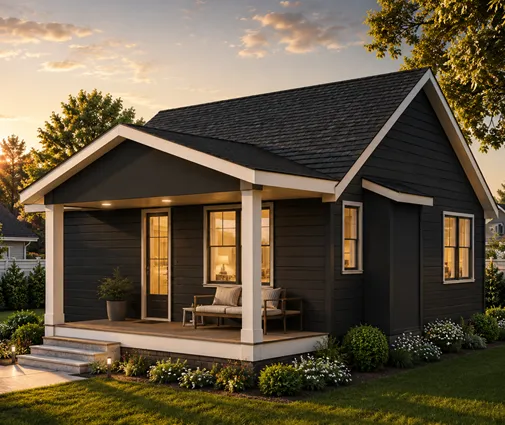
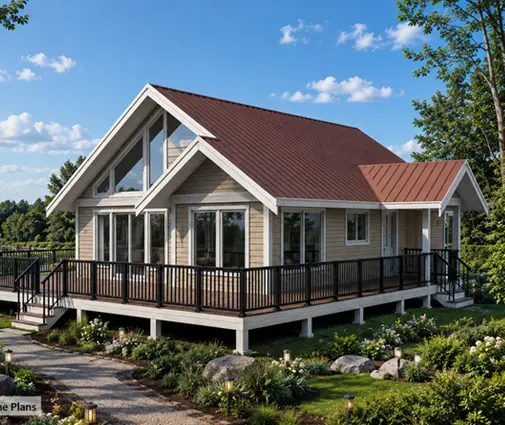
For tight caps, the 750 sq ft cabin with two bedrooms and two bathrooms fits a lot of living into a footprint many park leases allow, and it does not depend on a basement. Our tiny house plans go smaller still, for lots where the limit is strict. A step up, the 975 sq ft Scandinavian-style lake cottage keeps to one floor with two bedrooms, so a single bathroom and a modest septic bed are enough. Plans in the 800 to 1000 sq ft range are a good place to start when the lease counts every covered deck.

Where the lease allows more floor area but the lot is narrow or limits the footprint, building up can help. The cottage-farmhouse plan spread over three levels puts three bedrooms on a small footprint. Check it against any height limit first. If height is capped and the lot is wider, a single storey such as the three-bedroom plan with one bathroom and no garage keeps plumbing simple and avoids a separate garage that the lease might not allow.
On larger Crown land leases where year-round use is permitted, a family-sized home is realistic. The four-bedroom lake plan with a basement suits a deep lot with good soil, if the landlord accepts excavation and the septic is sized for four bedrooms. Where a basement is ruled out, the two-bedroom Craftsman bungalow without a basement keeps everything on one level, though you may need to drop its attached garage if the lease limits the footprint.
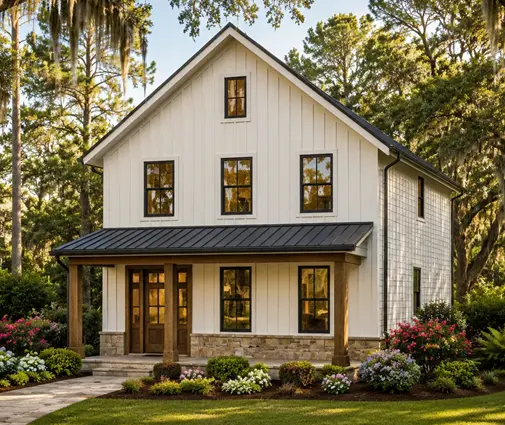
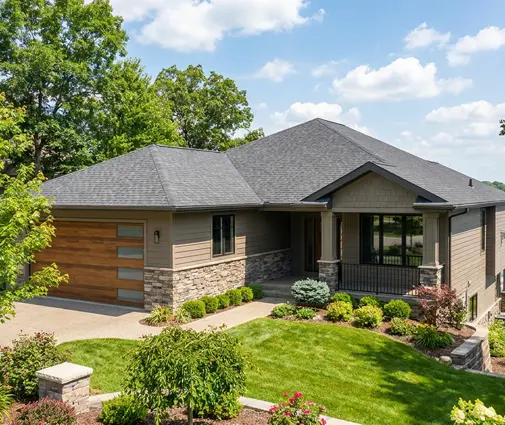

Whatever plan you choose, have a local designer or architect adapt it to your province's code, snow loads and energy requirements, and send the adapted drawings to the landlord before you apply for the permit.
FAQ
Do I need a building permit if my lot is on Crown land?
Usually, yes. Where the lot is inside a municipality or regional district with building inspection, that body issues the permit after the lease authority consents. In some remote unorganized areas there is no local building inspection, but septic approval and the landlord's consent still apply.
Can I build a year-round home on a leased cottage lot?
Only if the lease allows it. Many park and recreation leases are for seasonal use only. Read the use clause and confirm with the landlord before you design an insulated four-season house.
What happens to my cottage when the lease expires?
It depends on the lease. Most are renewed, sometimes at a new rent, but some require the leaseholder to remove the buildings if the lease is not renewed. Have a lawyer read the term, renewal and end-of-lease clauses before you buy or build.
Is it harder to get a mortgage on leased land?
Often it is. Lenders want the remaining lease term to outlast the mortgage by a comfortable margin, and fewer of them lend on park or reserve leasehold. Ask for a lender's written conditions before you commit to the lot.