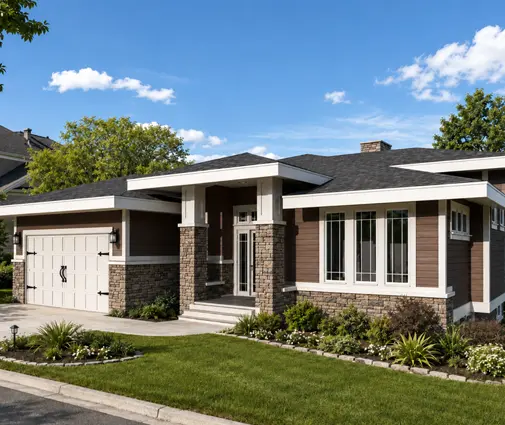
A common mistake among first-time builders is assuming that every new house in Canada comes with the same warranty, backed by Ottawa. It doesn't. New home warranties are set province by province, and the coverage periods, the rules on who registers the home and the protection for a custom build on your own lot all change when you cross a provincial border. Knowing how your province handles it before you sign a contract can save you a lot of money and stress if a basement leaks or a beam sags five years after you move in.
Below are eight things to understand, from the major programs to the questions you should ask any builder.
1. Warranty is a provincial matter, and the gaps are real
The National Building Code sets a model for how homes are built, and each province adopts its own version. Warranty is different. It is created by provincial law, so the protection depends on where the lot is. Ontario, British Columbia, Alberta and Quebec have mandatory programs that most new homes built by a builder must carry. Several other provinces and the territories rely on voluntary programs or have introduced their own rules more recently, with different terms.
If you are building outside the four provinces covered here, ask your municipality's building department or a local architect what protection applies in 2026. Do not assume that a warranty exists just because the builder is established.
2. Ontario: Tarion and the 1-2-7 structure
In Ontario, new homes are covered by the statutory warranty administered by Tarion, and builders must be licensed by the Home Construction Regulatory Authority. The coverage is usually described as 1-2-7:
- 1 year for workmanship and materials, and for many Ontario Building Code violations.
- 2 years for water penetration through the basement or the building envelope, and for defects in the electrical, plumbing and heating systems.
- 7 years for major structural defects, the ones that affect the load-bearing parts of the house or make it unfit to live in.
Tarion also offers deposit protection up to set limits and compensation for some delayed closings. The forms and deadlines matter. Homeowners usually have to submit claims within set windows, such as the 30-day and year-end forms in the first year. If you miss them, the builder may not be required to fix the problem.
3. British Columbia: the 2-5-10 home warranty
In BC, new homes built by a licensed residential builder must carry third-party home warranty insurance, with the licensing and registry run through BC Housing. The minimum is the well-known 2-5-10:
- 2 years on materials and labour, including the plumbing, electrical, heating and ventilation systems. Some defects in materials and labour are limited to the first 12 months.
- 5 years on the building envelope, mainly water penetration through walls, windows and the roof.
- 10 years on the structure.
The five-year envelope coverage reflects the coast's wet climate and the leaky condo crisis that led to the law. If you build in a municipality that has adopted higher steps of the BC Energy Step Code, airtightness and envelope details get more attention, and so does the warranty provider's review. A larger, more complex house such as this 5-bedroom modern farmhouse of 3912 sq ft with a three-car garage has more roof valleys, wall transitions and window openings. Those are exactly the places where envelope claims tend to start.
4. Alberta: 1-2-5-10 under the New Home Buyer Protection Act
Alberta made warranty mandatory for new homes in 2014. The minimum coverage is:
- 1 year on labour and materials.
- 2 years on delivery and distribution systems: heating, electrical, plumbing and gas.
- 5 years on the building envelope.
- 10 years on major structural components.
Builders must also hold a provincial residential builder licence. As in BC, the warranty is tied to the building permit. A municipality will not issue a permit for a new home until the builder shows proof of warranty, or the owner shows an approved exemption. In a province where most families build a house with a full basement because of frost depth, the foundation and the drainage around it are a large part of what that structural and envelope coverage protects.
5. Quebec: the GCR plan
In Quebec, the mandatory plan is the Garantie de construction résidentielle (GCR), overseen by the Régie du bâtiment du Québec. Contractors need an RBQ licence and must be accredited with the plan to build covered homes. The plan covers detached, semi-detached and row houses, along with some small condo buildings. It includes protection for deposits and for the completion of the work. After acceptance of the home, the periods are generally:
- 1 year for poor workmanship (malfaçons) noted or discovered after acceptance.
- 3 years for hidden defects.
- 5 years for design, construction or soil defects.
The pre-acceptance inspection is a key moment in Quebec. Anything visible and not written on the inspection form can be harder to claim later, so many buyers bring an independent inspector. Check the current conditions on the GCR website before signing, as the details are updated over time.
6. The builder registers the home, before construction starts
In all four provinces, registering the home is the builder's job, not yours. In Ontario, the builder must enrol the home with Tarion before construction begins. In BC and Alberta, the home has to be registered with warranty coverage before the building permit is issued. In Quebec, the accredited contractor must sign the plan's contract with you.
What you should do is verify it. Each program offers a way to look up a builder's licence or registration. Ask for the warranty certificate or enrolment number in writing, and check it yourself before you hand over a deposit. A builder who stalls on this question is giving you a clear answer.
7. Building on your own lot: contract homes versus owner-builders
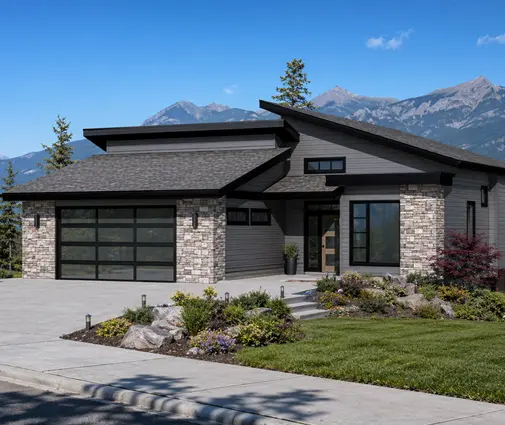
Many Canadian families buy an acreage or a rural lot and hire a builder to put up a home from a plan they chose. That is a contract home. In most cases it gets the same mandatory warranty as a home bought from a subdivision developer, as long as a licensed builder is under contract to build it. A 5-bedroom bungalow of 1676 sq ft with a basement and a two-car garage, or a 4-bedroom modern farmhouse of 2449 sq ft on two storeys, built by a registered builder on your land, should be enrolled and covered like any other new house.
Owner-builders are the exception. In BC and Alberta, you can build your own home under an owner-builder authorization, which comes with an exam or an application and conditions on use and resale. In that case there is generally no third-party warranty, and if you sell within the coverage period, buyers have to be told. In Ontario and Quebec, a home you build yourself as your own general contractor is normally outside Tarion and the GCR. Managing your own trades can save money, but you take on the defect risk. Hiring a builder for only part of the work rarely gives you full coverage, so confirm the arrangement with the program before you split up a project.
8. Ask these questions before you sign anything
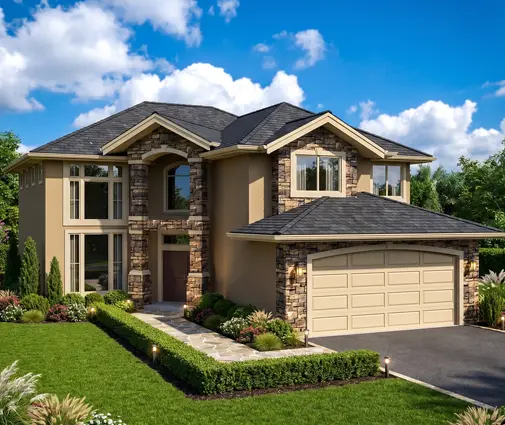
Whether you are buying in a new subdivision or building a 4-bedroom Craftsman of 2491 sq ft on your own lot, go through this list with the builder and get the answers in the contract:
- What is your provincial licence or registration number, and can I see it on the regulator's public lookup?
- Which warranty program or provider covers this home, and when will you enrol or register it?
- What are the exact coverage periods for workmanship, systems, envelope and structure?
- How are my deposits protected, and up to what amount?
- Are upgrades, the finished basement, the deck, the driveway and landscaping covered, or excluded?
- How do I report defects, and what are the deadlines in the first year?
- Who does the pre-delivery or pre-acceptance inspection, and can my own inspector attend?
- If you change the plan, for example by adding an in-law suite in the basement, does the coverage change?
- How many warranty claims have been made against your company, and how were they resolved?
- Will you give me references from homeowners whose houses are past the two-year mark?

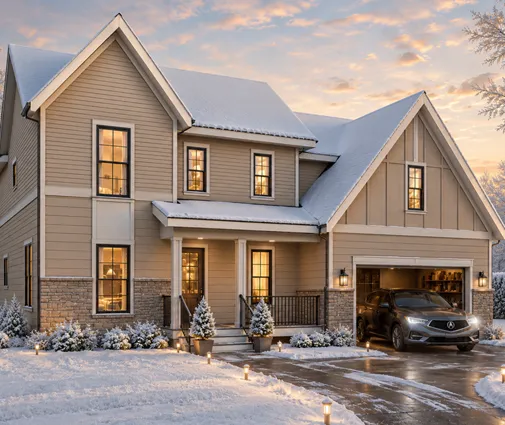
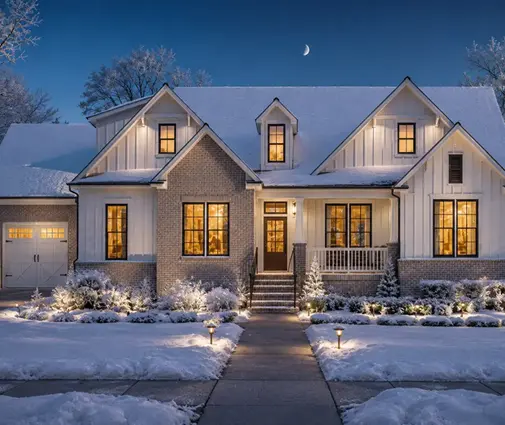
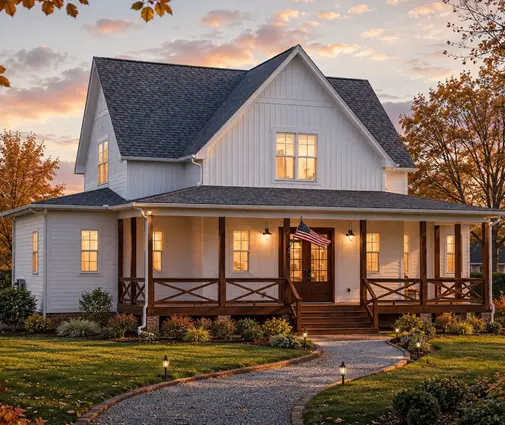
Bigger homes are not riskier on their own, but every extra room is more to inspect. If you are comparing a compact 4-bedroom transitional farmhouse of 2649 sq ft with a 3-bedroom country farmhouse of 2983 sq ft and a three-car garage, budget time for a thorough walkthrough of each mechanical system, window and roof transition before you accept the keys.
Bringing it together
A new home warranty is only useful if you know which one applies, confirm that your builder has registered the home, and meet the claim deadlines. Ontario's Tarion, BC's 2-5-10, Alberta's 1-2-5-10 and Quebec's GCR all protect the structure and the envelope for years, but the details and the treatment of custom builds differ. Before you sign, check the current rules with your provincial program or your municipality, ask the questions above, and keep every form and inspection report. Then the plan you chose can become a home you can trust for the long term.